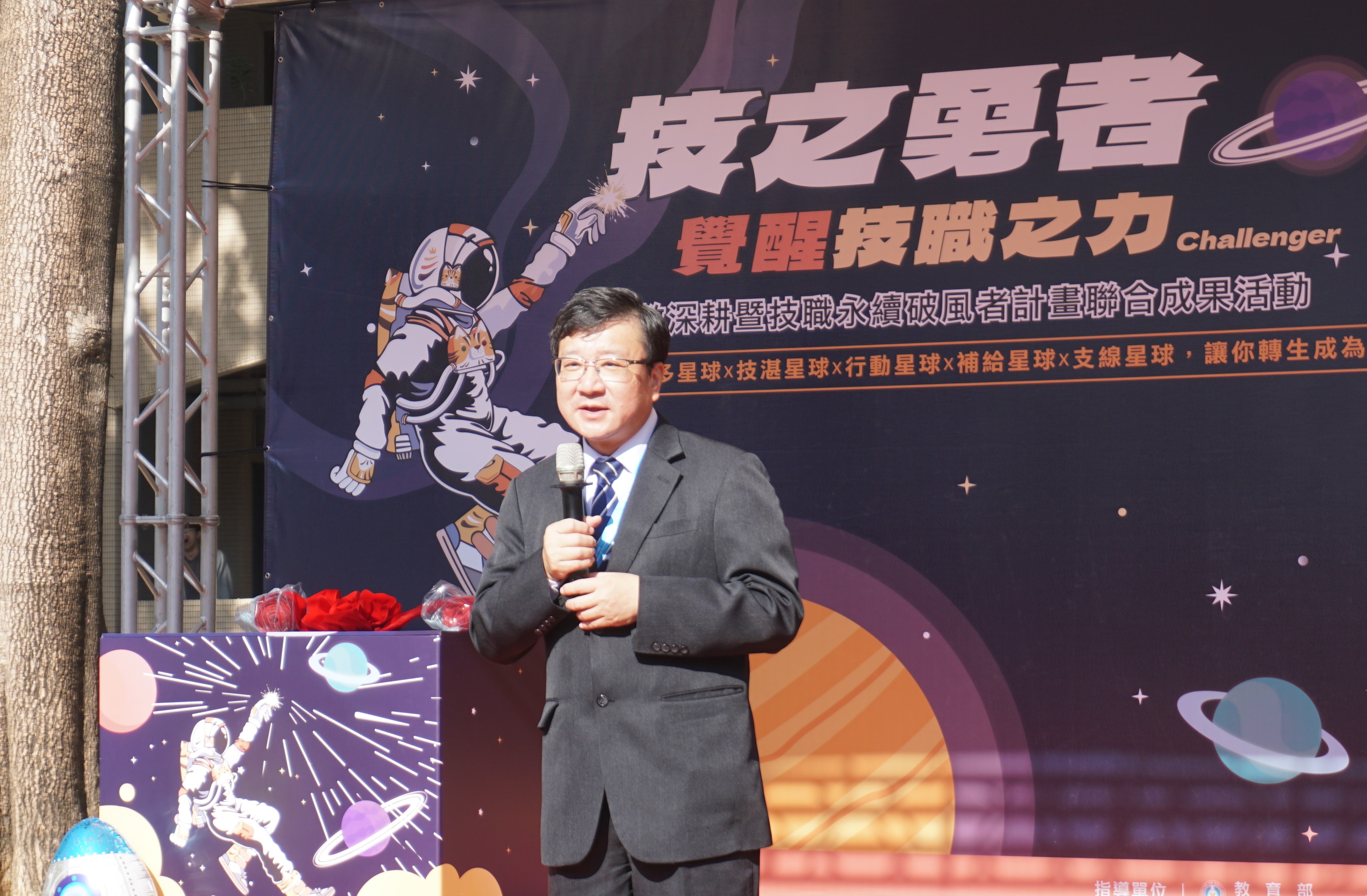
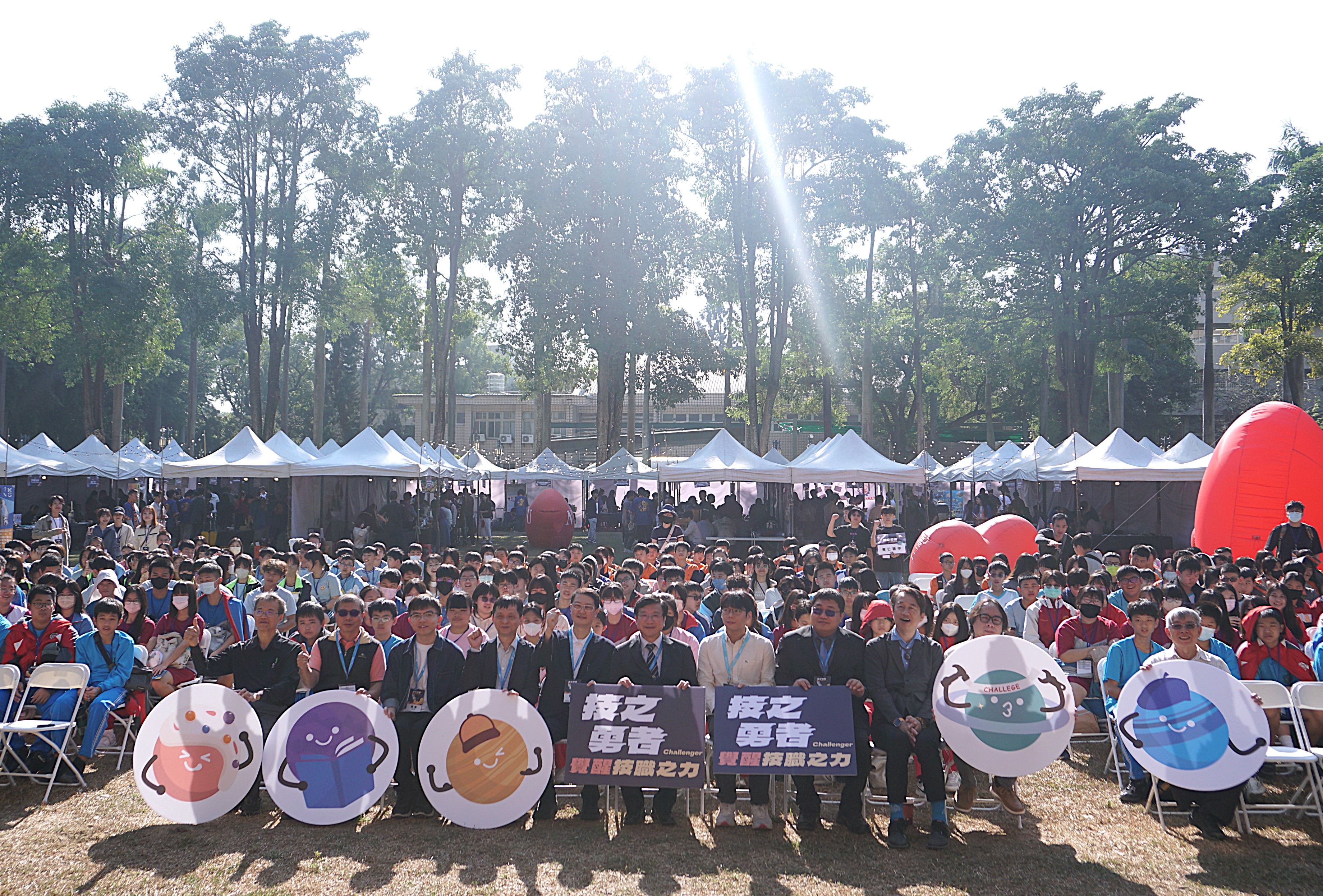
National Formosa University held the “Brave of Skills · Awakening the Power of Technical and Vocational Education” Achievement Exhibition on Friday, December 12, at the First Campus. Integrating two major Ministry of Education initiatives—the Higher Education Sprout Project and the Technical and Vocational Sustainability Pathfinder Program—the event adopted an innovative marketplace format to bring together resources from education, industry, and technology. Multiple senior high and vocational schools from the Yunlin–Chiayi–Changhua region, along with local enterprises, were invited to exhibit, creating a cross-disciplinary, immersive career exploration environment for students ranging from junior high to higher education.
NFU President Shinn-Liang Chang encouraged students in attendance, noting that amid rapid technological advancement, early understanding of one’s interests and strengths can help students focus their efforts, deepen learning, and build solid capabilities. Through the presentation and interactive experiences of distinctive technical and vocational fields, the event aimed to assist students in exploring suitable academic disciplines and development pathways, thereby laying a foundation for their future lives and careers.
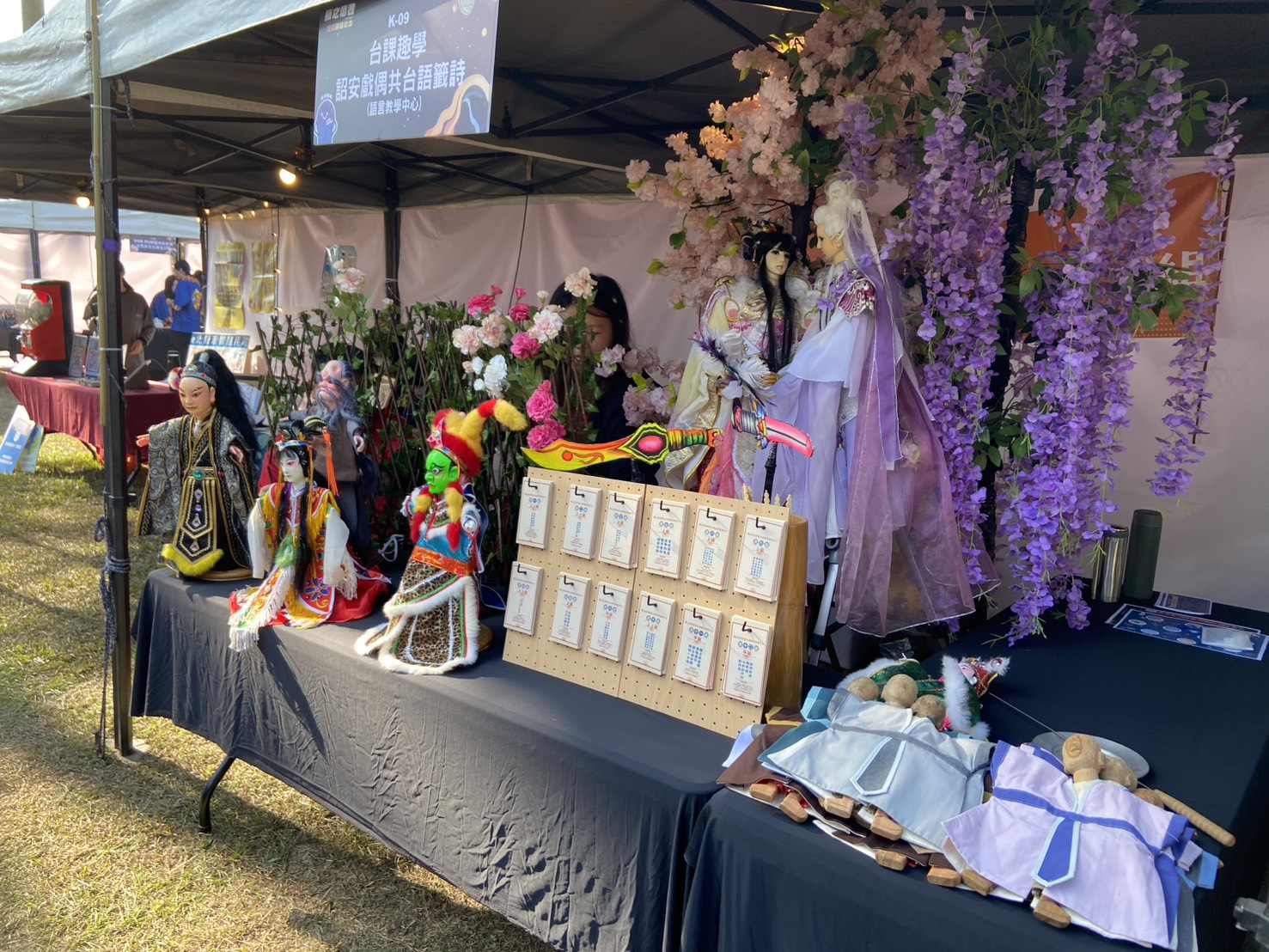
The marketplace was designed around a “planet” concept, creating five major themed interactive learning zones. Among them, the “Wisdom Planet” emphasized knowledge integration and scientific literacy. Highlight booths included “Gamified Physiology and Adventures with Cell Models,” which used digital board games and cell pinball tables to enhance students’ understanding of life sciences. “Taiwanese Learning Fun” combined Zhao’an Hakka culture with glove puppet theater performances, showcasing NFU’s continued commitment to the preservation of local languages and humanities.
“Skills Excellence Planet” focused on cross-disciplinary hands-on experiences. For example, the “Rotating Magnetic Field and Electromagnetic Induction Module” used self-developed teaching aids to help students comprehend abstract electromagnetic principles, while “Smart Robots Go Go Go” allowed students to experience robot operation firsthand through interactive challenges, increasing learning engagement through competition.
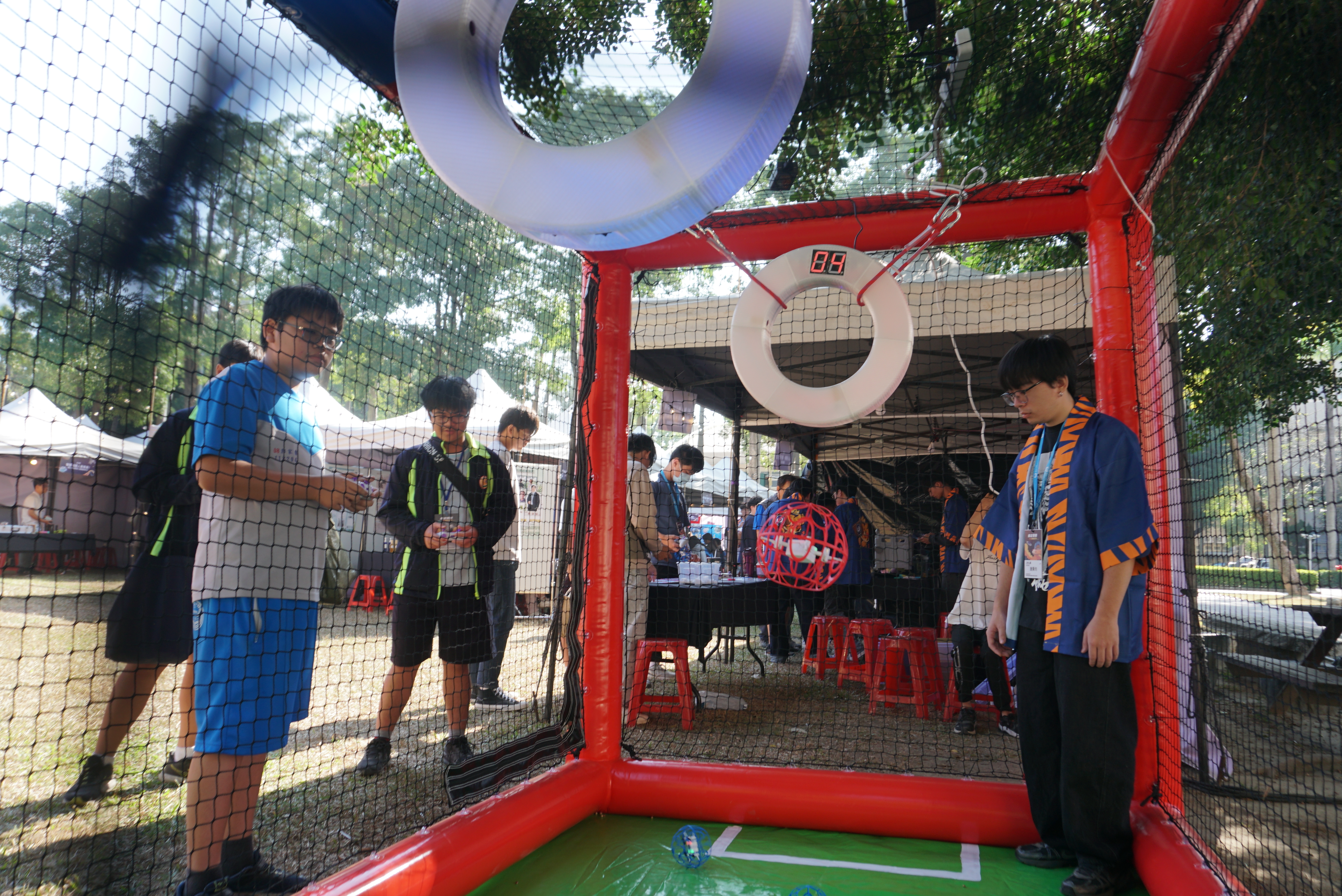
Dynamic challenges were highlighted in the “Action Planet,” where the “Drone Soccer Field” attracted the most attention. Integrating chips, flight control algorithms, response systems, and engineering technologies, the activity enabled students to experience a technology-based sport that combines real-time decision-making with offensive and defensive strategies through remote-controlled flight.
“Supply Planet” connected Taiwan and Southeast Asian food cultures through food and agriculture education, promoting an understanding of innovation in agriculture and food technology via a sensory learning approach that emphasized “learning through taste and sight.” The “Branch Planet” created a distinctive platform for collaborative learning between the campus and the community, inviting local businesses to demonstrate how challenges can be transformed into technological highlights—from smart aquaculture and toy technology to cultural and creative design—helping students better understand industry development needs.