How to Extend the Product Life Cycle of Farmers' Association Products — Scholars Suggest "Creating Diversity"
2026-02-11
Admin System
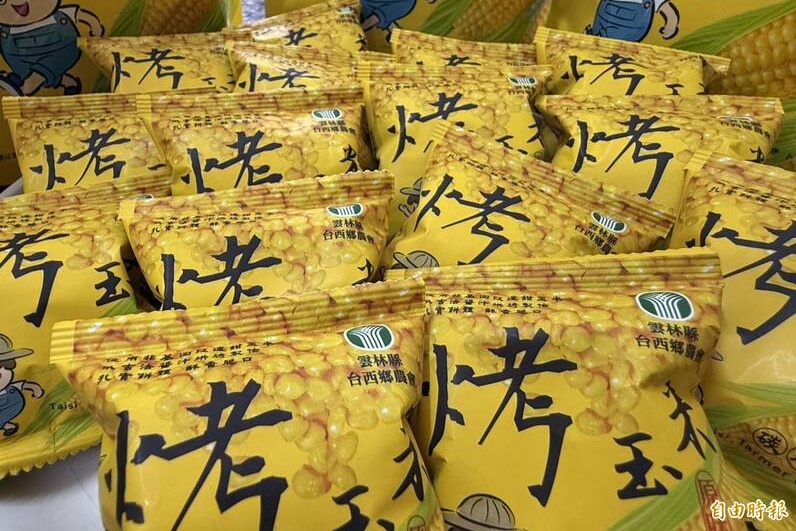
In recent years, farmers' associations across Taiwan have been observed stepping outside their comfort zones, developing agricultural specialty products that have become instant hits almost overnight. Some farmers' associations have even transformed their original direct-sales outlets into curated collections of local specialties, attracting recommendations from internet influencers and bloggers, while others have gone in front of the camera themselves, becoming influencers to introduce local specialties. In light of this transformation among farmers' associations in recent years, scholars suggest that the most important factor in extending the life cycle of a hit product is diversified development.
Peng Chi-Chung, Dean of the College of Arts and Sciences at National Formosa University, believes that farmers' associations have long developed specialty products, and in recent years their marketing methods have gradually shifted toward the internet, boosted by influencer promotion. Products may see a surge of buyers eager to try something new, but this buzz is often driven by the association's endorsement and the appeal of local agricultural products. Whether repeat purchases can be generated or the brand can be sustained after the initial novelty wears off is the true key to a farmers' association's long-term success.
Peng noted that the average product life cycle for general consumer goods is 8 months to 1 year, but products from farmers' associations can typically sustain interest for at least 1 year or more. If a farmers' association can rotate multiple flavors or variations of a single product, this could help extend the product's lifespan. For example, potato chips have remained a popular everyday snack, in part because different food companies continue to develop diverse flavors, keeping "potato chips" as a category perpetually fresh. Additionally, the barrier to entry for a product is also important — businesses must think about how to differentiate themselves to prevent competitors from easily copying their success, and may even consider cross-industry collaborations to successfully establish product uniqueness, which can also extend the buzz around agricultural specialty products. However, the most important thing to keep in mind is always the fundamental principle of "ensuring food safety," which remains the golden rule.
Lin Chih-Huang, Assistant Professor in the Department of Business Administration at NFU, stated that the herd behavior driving product buying frenzies has now shifted from physical settings to social media, causing many consumers to potentially develop a sense of "FOMO" (Fear of Missing Out). As a result, farmers' associations should adopt more strategic approaches to promotion — for example, creating an IP (intellectual property) brand image, promoting products at the point of purchase, and establishing a complete post-purchase feedback mechanism. These measures can make products from farmers' associations more effective and help sustain public interest.
Su Hui-Kai, Director of NFU's Computer Center, suggested that because the barrier to entry for filming short videos is relatively low, more people are drawn to try video creation, though relatively few actually think through how to produce substantive content. As such, making good use of technological tools is a more beginner-friendly approach — for example, using AI systems to help build a distinctive brand image or create video scripts. More advanced creators, meanwhile, need to constantly pay attention to how to identify relevant topics and continuously innovate, which is essential for making a product brand feel more relatable to the public.